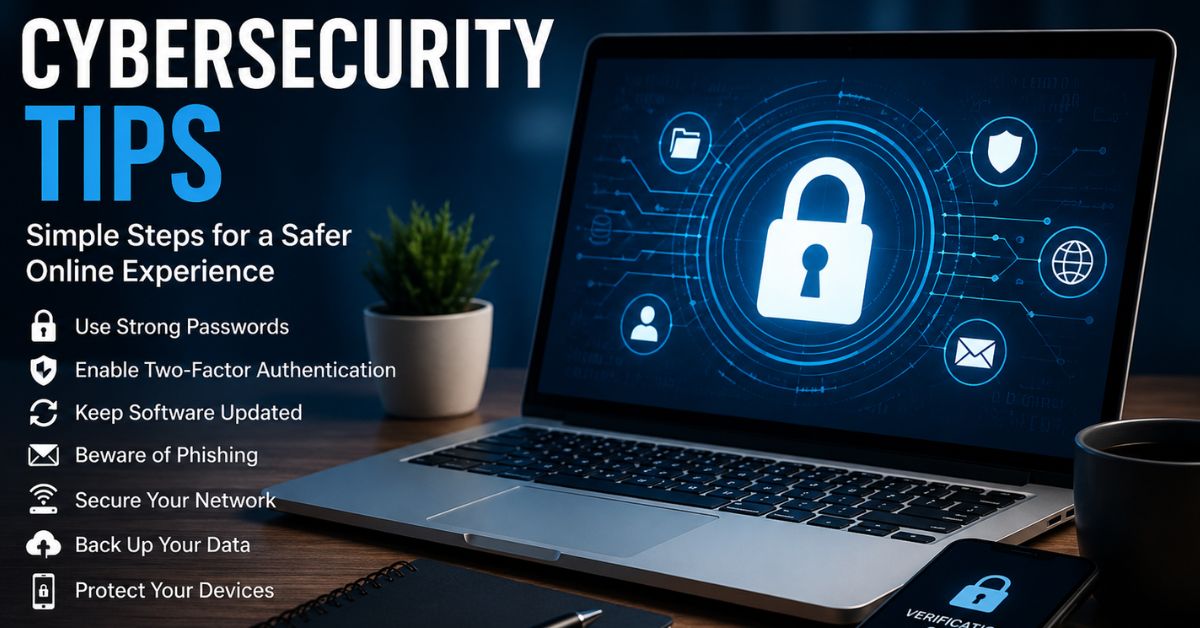





Technology keeps changing, and so do cyber threats. Criminals now use artificial intelligence, automated tools, and advanced phishing techniques to target individuals and businesses. That makes cybersecurity best practices 2026 more important than ever. Whether you manage a company or simply use the internet every day, building good security habits is the best defense against modern attacks.
This guide explains practical steps you can take to reduce cyber risks, protect sensitive information, and prepare for emerging threats. Every recommendation is based on proven security principles that remain effective as technology evolves.
Why Cybersecurity Matters More in 2026
Cyberattacks no longer target only large organizations. Small businesses, freelancers, students, and home users face constant risks from phishing emails, ransomware, stolen passwords, and fake websites. Attackers look for easy targets, and even a single weak password or outdated application can lead to serious damage.
Following cybersecurity best practices 2026 helps reduce these risks by strengthening your digital habits. A proactive approach costs far less than recovering from a data breach or financial loss.
The Biggest Cyber Threats to Watch
The threat landscape continues to evolve. Understanding common attacks helps you recognize suspicious activity before it becomes a problem.
AI-Powered Phishing
Artificial intelligence allows criminals to create realistic emails, messages, and fake websites that closely resemble legitimate companies. These scams often contain fewer spelling mistakes and use personalized details to appear trustworthy.
Always verify unexpected requests before clicking links or sharing personal information.
Ransomware
Ransomware locks important files and demands payment to restore access. Businesses often experience downtime, lost revenue, and damaged customer trust after these attacks.
Regular offline backups remain one of the most effective ways to recover without paying attackers.
Deepfake Scams
Voice cloning and AI-generated videos are becoming more convincing. Criminals may impersonate executives, coworkers, or family members to request urgent payments or sensitive information.
Confirm unusual requests through another trusted communication method.
Credential Theft
Weak or reused passwords continue to be one of the easiest ways for attackers to access accounts. Once one password is stolen, criminals often try it across multiple services.
Build Strong Password Habits
Passwords are still widely used, but they should never be your only defense.
Create unique passwords for every account instead of reusing the same one. Long passphrases made from random words are easier to remember and harder to crack.
A trusted password manager can generate and securely store complex passwords, reducing the temptation to reuse credentials.
Use Passkeys Whenever Possible
Many online services now support passkeys, which replace traditional passwords with secure device-based authentication.
Passkeys reduce the risk of phishing because there is no password for attackers to steal. As more websites adopt this technology, it will become an important part of cybersecurity best practices 2026.
Enable Multi-Factor Authentication
Multi-factor authentication adds another layer of protection by requiring a second verification step after entering your password.
Even if a password is stolen, attackers usually cannot access the account without the second authentication factor. Authentication apps or hardware security keys generally provide stronger protection than SMS codes.
Keep Software Updated
Outdated software often contains known security vulnerabilities that attackers actively exploit.
Enable automatic updates for:
- Operating systems
- Web browsers
- Mobile devices
- Business applications
- Antivirus software
Quick updates reduce the window of opportunity for cybercriminals.
Follow the Principle of Least Privilege
Users should have access only to the information and systems they actually need.
Limiting administrator privileges reduces the damage malware or compromised accounts can cause. Businesses should review employee permissions regularly and remove unnecessary access immediately.
Applying this principle is one of the most effective cybersecurity best practices 2026 for organizations of every size.
Protect Cloud Data Carefully
Cloud services make collaboration easier, but incorrect settings can expose sensitive information.
Review sharing permissions regularly, encrypt confidential files, and monitor account activity. Businesses should also maintain backups outside their primary cloud environment to improve resilience.
Secure Every Device
Every connected device becomes a potential entry point.
Protect laptops, desktops, tablets, and smartphones by:
- Using screen locks
- Encrypting storage
- Installing security updates
- Running reputable security software
- Removing unused applications
These simple habits significantly reduce everyday cyber risks.
Learn to Recognize Phishing Attempts
Most successful cyberattacks begin with a convincing email or message.
Warning signs include:
- Unexpected payment requests
- Urgent deadlines
- Unknown attachments
- Suspicious links
- Requests for passwords or verification codes
Instead of clicking immediately, visit the company’s official website manually or contact the sender through a verified channel.
Recognizing phishing remains one of the most valuable cybersecurity best practices 2026 for both individuals and businesses.
Create Reliable Backups
Backups protect against ransomware, hardware failure, accidental deletion, and natural disasters.
A practical strategy includes:
- Automatic daily backups
- Offline backup copies
- Cloud backups
- Regular recovery testing
Backups only help if they can actually be restored when needed.
Train Employees Regularly
Technology alone cannot stop every cyberattack.
Employees should understand how to:
- Detect phishing emails
- Report suspicious activity
- Protect customer information
- Create secure passwords
- Handle confidential files safely
Regular training creates a stronger security culture across the organization.
Protect Remote Workers
Remote work continues to grow, making home networks part of the business environment.
Encourage employees to:
- Secure home Wi-Fi
- Lock devices when away
- Avoid public Wi-Fi for sensitive work
- Use encrypted connections
- Keep business and personal devices separate whenever possible
These habits reduce unnecessary exposure.
Monitor Systems Continuously
Security is not something you configure once and forget.
Monitor login attempts, unusual account activity, software updates, and network traffic. Early detection often prevents a minor issue from becoming a major breach.
Organizations that regularly review security logs can respond much faster to suspicious behavior.
Prepare an Incident Response Plan
Every organization should assume that security incidents may eventually occur.
An incident response plan should identify:
- Who responds first
- How affected systems are isolated
- How backups are restored
- How customers are notified
- How evidence is preserved
Planning ahead reduces confusion during stressful situations.
Common Cybersecurity Mistakes
Many attacks succeed because of avoidable mistakes.
Common examples include:
- Reusing passwords
- Ignoring software updates
- Clicking unknown links
- Sharing accounts
- Giving employees unnecessary administrator access
- Failing to test backups
- Delaying security training
Avoiding these mistakes strengthens your overall defense and supports cybersecurity best practices 2026 across personal and business environments.
Looking Ahead
Artificial intelligence will continue changing both cyberattacks and cyber defense. Organizations are investing in smarter monitoring, identity protection, and automated threat detection, while criminals search for new ways to bypass traditional security.
The strongest long-term strategy combines modern security tools with informed users who recognize risks before they become incidents. As technology evolves, cybersecurity best practices 2026 should be reviewed regularly to keep pace with new threats.
Conclusion
Strong cybersecurity is built through consistent daily habits rather than a single security product. Protecting accounts with strong authentication, keeping software updated, backing up important data, educating users, and monitoring systems all work together to reduce risk. By following cybersecurity best practices 2026, individuals and businesses can stay better prepared for today’s threats while adapting confidently to tomorrow’s challenges.
FAQs
What are cybersecurity best practices 2026?
They are modern security recommendations that help individuals and organizations protect systems, accounts, and data from current cyber threats.
Why is multi-factor authentication important?
It adds a second verification step, making it much harder for attackers to access accounts even if passwords are stolen.
Are passkeys better than passwords?
Yes. Passkeys reduce phishing risks and eliminate many problems associated with weak or reused passwords.
How often should software be updated?
Enable automatic updates whenever possible and install critical security patches as soon as they become available.
What is the easiest way to improve cybersecurity?
Use unique passwords, enable multi-factor authentication, update software regularly, and stay alert for phishing attempts.